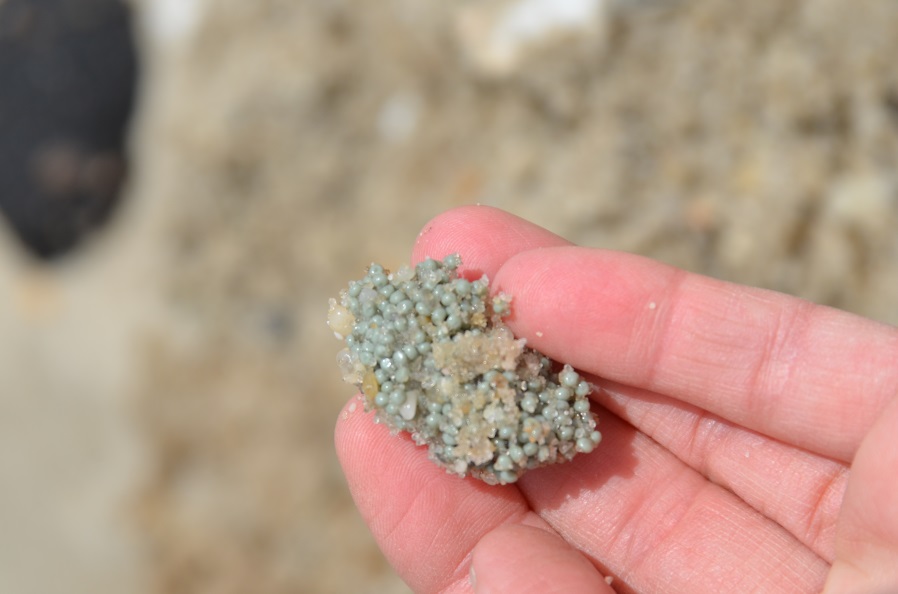

What Is A Horseshoe Crab?
Though it might display an intimidating appearance, the Atlantic Horseshoe Crab (Limulus polyphemus) is actually a harmless marine animal that lives in the shallow western shores of the Atlantic Ocean (Maine to the Yucatan Peninsula). In fact, the Delaware Bay is home to the world’s largest spawning ground for Horseshoe Crabs. Though this species has been informally named a crab, they are actually more closely related to scorpions, ticks and spiders! The Horseshoe Crab is a very old species that pre-dates most other species found on planet earth today. Horseshoe Crabs have been around for over 400 million years and have evolved little in the last 250 million years.
Why Do Horseshoe Crabs Need Help?
✓ The Delaware Bay’s Horseshoe Crab population has declined by 90% over the last 150 years, mostly due to overharvesting.
✓ The Horseshoe Crab is an important “keystone species,” as many other species (like shorebirds and fish) depend on Horseshoe Crab eggs for their survival.
✓ Natural Horseshoe Crab nesting habitat has degraded due to shoreline development.
How Is The Wetlands Institute Helping?
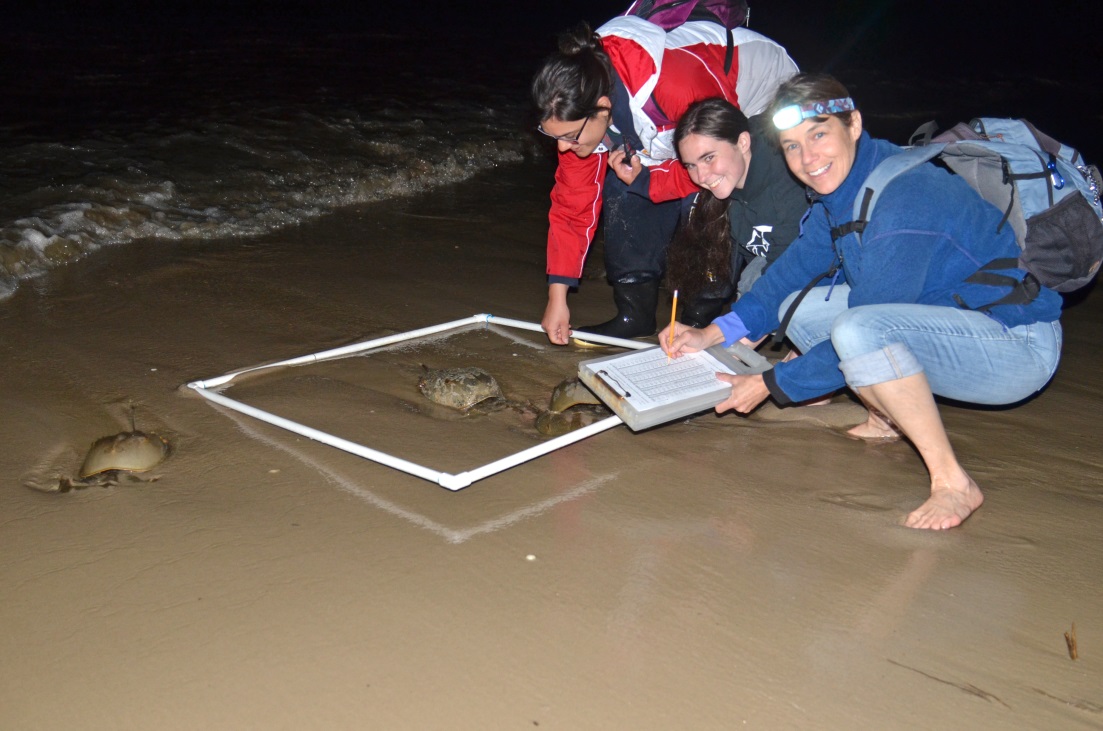
The Wetlands Institute has embarked on a statewide partnership project to support the stewardship and conservation of Horseshoe Crab populations in New Jersey. The Wetlands Institute is taking proactive steps in aquaculture techniques to better understand how to hatch and raise Horseshoe Crabs. The Wetlands Institute also conducts Horseshoe Crab spawning surveys in order to contribute to Delaware Bay population evaluations and ‘Re-Turn The Favor’ walks to rescue Horseshoe Crabs that have been stranded on our beaches.
How Will Your Contribution Be Used?
Your gift will be used to help fund our Horseshoe Crab Conservation Program:
✓ Aquaculture/ tank system maintenance
✓ Horseshoe Crab care
✓ Horseshoe Crab spawning surveys
✓ reTURN the Favor walks
✓ Outreach and conservation initiatives & materials
Adoption Levels
- $25 Adopt HSC Eggs: A digital adoption certificate, a digital picture of a horseshoe crab, and our annual HSC e-newsletter.
- $50 Adopt a Juvenile HSC: All of the above, plus a special adoption sticker, recognition in our annual e-newsletter, and two TWI admission passes.
- $150 Adopt an HSC Adult: All of the above, plus an HSC car magnet, an HSC tote bag, and an invitation for two participants to join an HSC survey.*
- $500 Adopt an HSC Pair: All of the above, plus an HSC enamel pin or an HSC plush toy, and an educational beach walk or private spawning survey for your group with our biologists in May – July. (limited to 6 participants, date and time worked out with each adopter)
* Restricted to May-June on preselected nights